
Womens self defense workshops
Practical self-defense workshops for women and teens 16+ in Thousand Oaks, Newbury Park, and the Conejo Valley.
Learn how to create distance, escape common grabs, strike with better mechanics, recognize improvised tools, and make safer decisions under pressure.

WHAT WILL YOU LEARN IN THIS TWO-HOUR WORKSHOP?
No self-defense program can guarantee your safety. But good training can help you recognize danger sooner, make better decisions, and respond with more confidence.
This two-hour workshop introduces common threats women may face, then teaches partner drills for escaping grabs, creating distance, using leverage, and striking with stronger body mechanics.
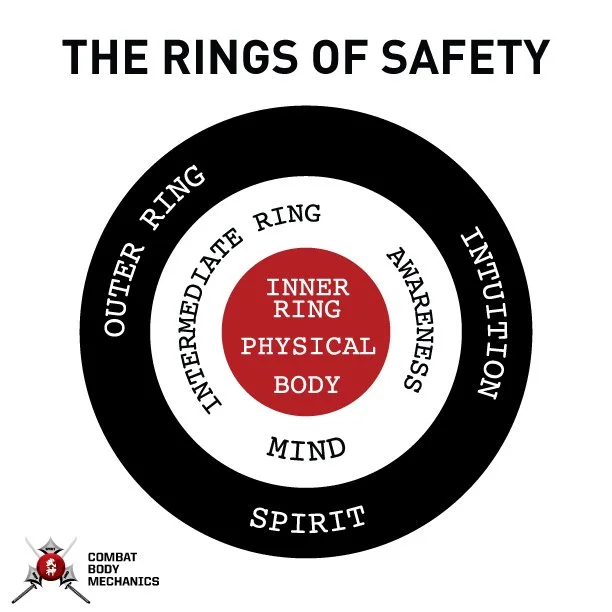
Our “Rings of Safety” framework helps students think about personal safety before, during, and after physical contact. Students learn how awareness, intuition, posture, distance, and decision-making affect safety before a situation becomes physical.
TOPICS:
STATISTICS & PSYCHOLOGY
• Common patterns in attacks against women
• How fear, freezing, social pressure, and hesitation can affect your response
ESCAPES FROM GRABS
• Understand how grabs work mechanically
• Use leverage and body position to escape
• Create distance before a grab becomes control
IMPROVISED TOOLS & WEAPON AWARENESS
• Recognize everyday objects that can help create space
• Basic knife familiarity and handling principles
• Practice avoiding weapon lines when you are unarmed
THE ROLE OF STRIKING
• Learn why striking alone may not be enough
• Strike with better mechanics to reduce self-injury
• Disrupt balance and structure so you can create space or get help
Open to adults and teens 16+.
Students ages 12–15 may attend only with a participating parent or guardian and prior instructor approval.
This workshop will not make you an expert in two hours. It will give you a clearer understanding of how self-defense works and practical skills you can continue practicing.
About the instructors
Andrew Stringfellow
leslie kim
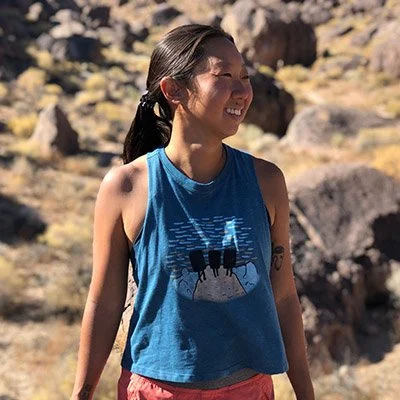
Leslie Kim is a coach and co-owner at Combat Body Mechanics with more than 25 years of martial arts experience.
After years in sport martial arts, she began looking for training that better addressed real-world self-defense, fear, weapons, size differences, and uncertainty.
She has trained in Budo Taijutsu since 2003. Her experience as a frequent solo traveler also shapes the women’s program, especially the focus on awareness, intuition, confidence, and practical tools that do not depend on size or strength.
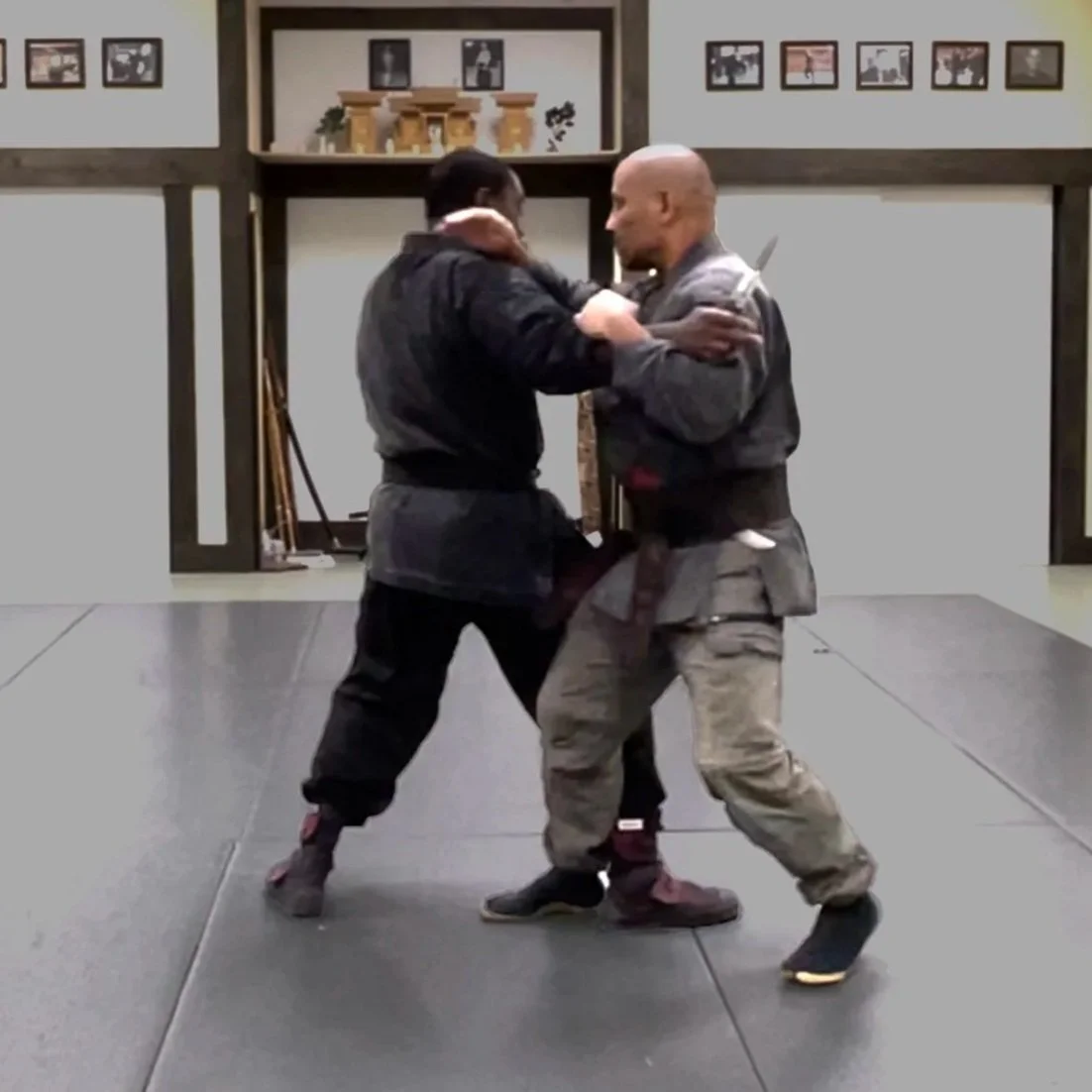
Head Instructor Andrew Stringfellow has taught civilians, military personnel, law enforcement, and security professionals for more than 20 years. He is a 10th degree black belt in Budo Taijutsu and received his instructor’s license through master instructors in Japan.
Andrew is also a veteran U.S. Marine Corps Sergeant with more than 10 years of executive protection experience in Los Angeles, including work with high-profile clients, celebrities, and private families.
More about our methods:
🧬 BASED ON SCIENCE, NOT STRENGTH
Our techniques are based on anatomy and body mechanics. Strength, speed, and size matter, but leverage, structure, timing, and positioning can help a smaller person create real options.
💡A PROBLEM-SOLVING MINDSET
We don’t ask students to memorize hundreds of complex moves. Instead, we focus on universal principles like leverage, position, awareness, and distance. By understanding why a technique works—and why it fails—students learn to adapt and do what is necessary to get the result they need.
🛠 UTILITY FIRST
Combat Body Mechanics is rooted in Budo Taijutsu, a Japanese martial system refined over 900 years. Not every school that teaches this art shares the same lineage — and lineage is everything. Ours runs directly through law enforcement, combat veterans, and a biomedical engineer — people who needed these techniques to work, and had the rigor to understand why they do. That thread runs through everything we teach, and it's especially central to how we designed our women's self-defense program.
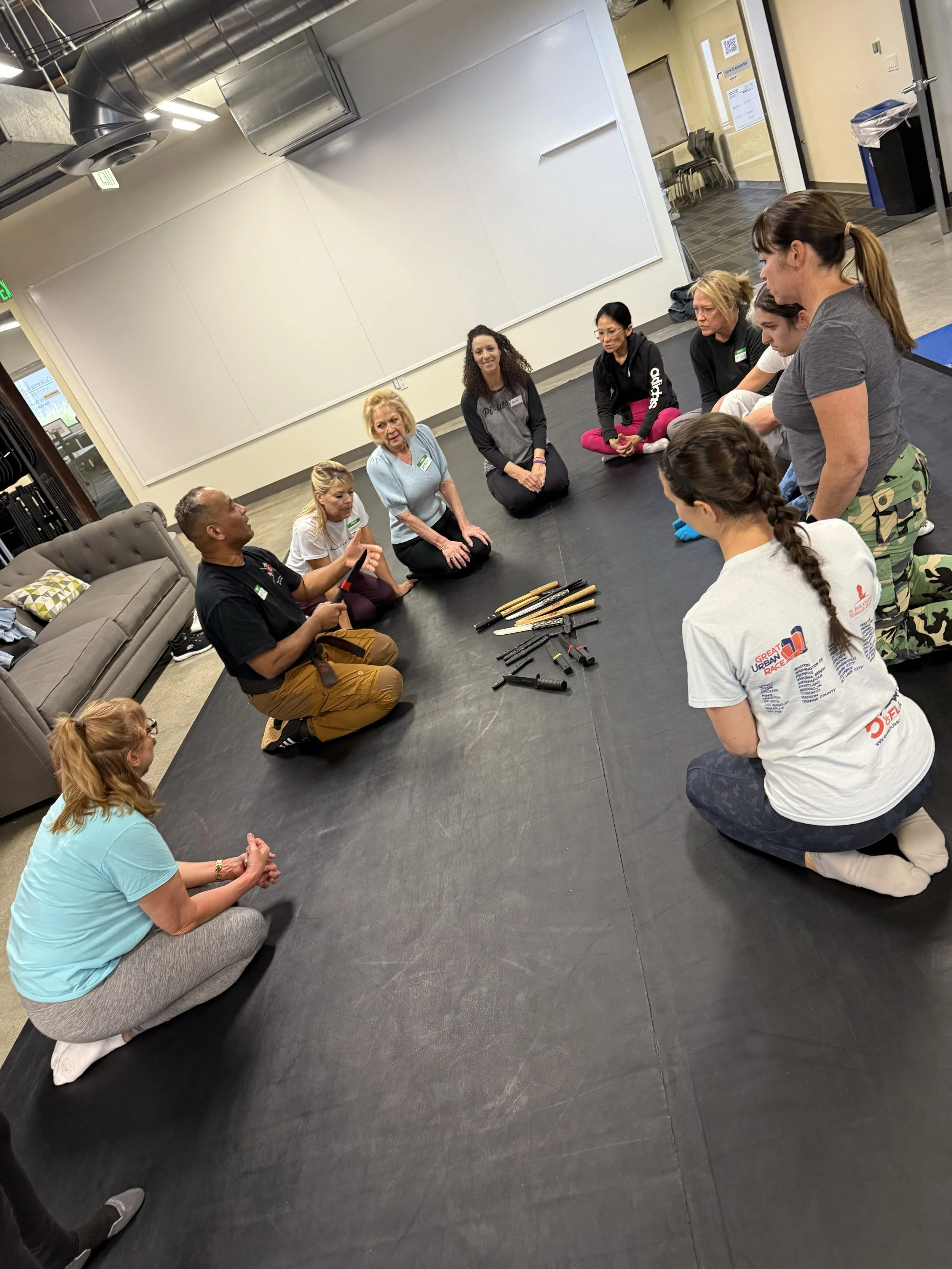
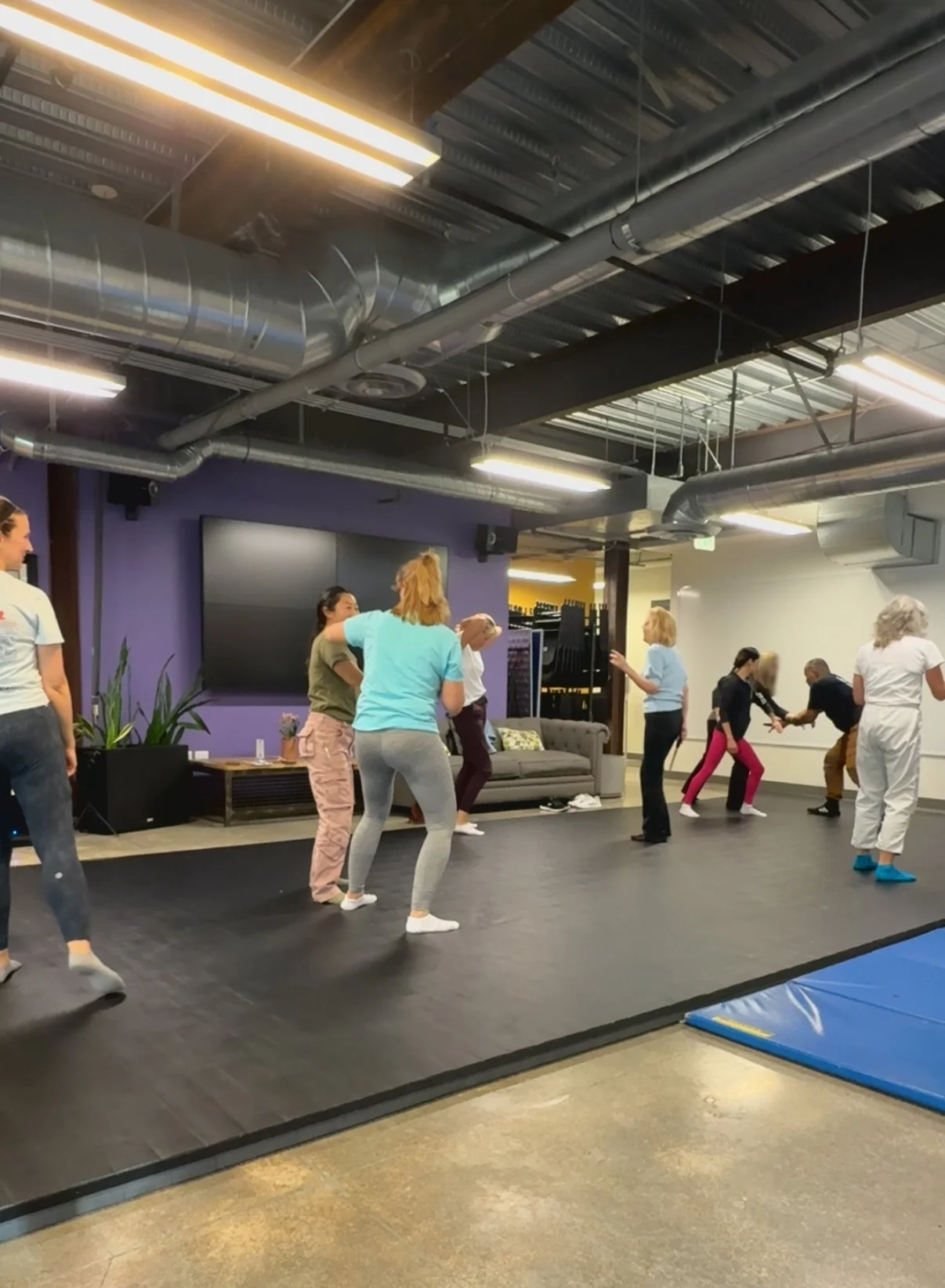
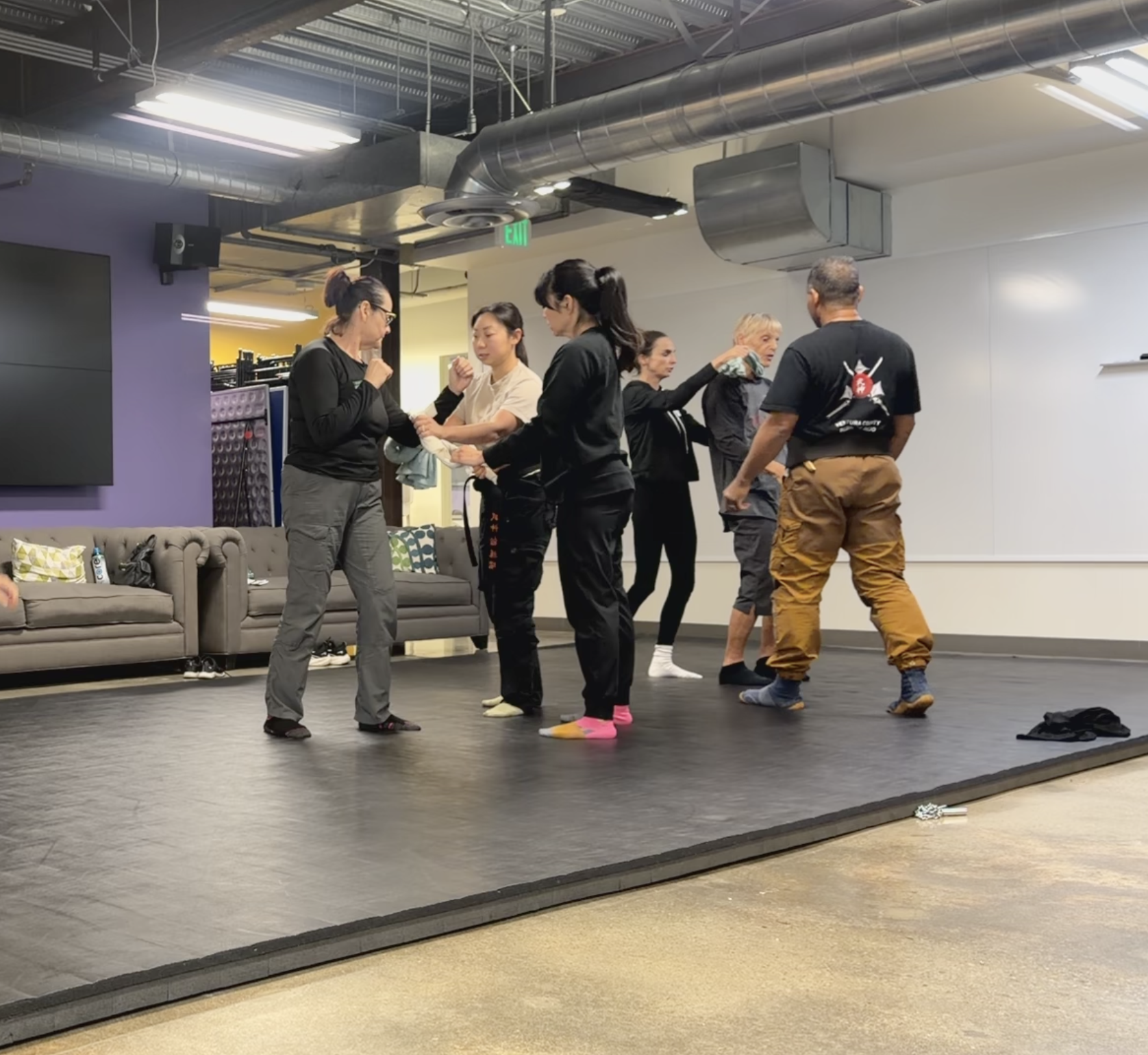
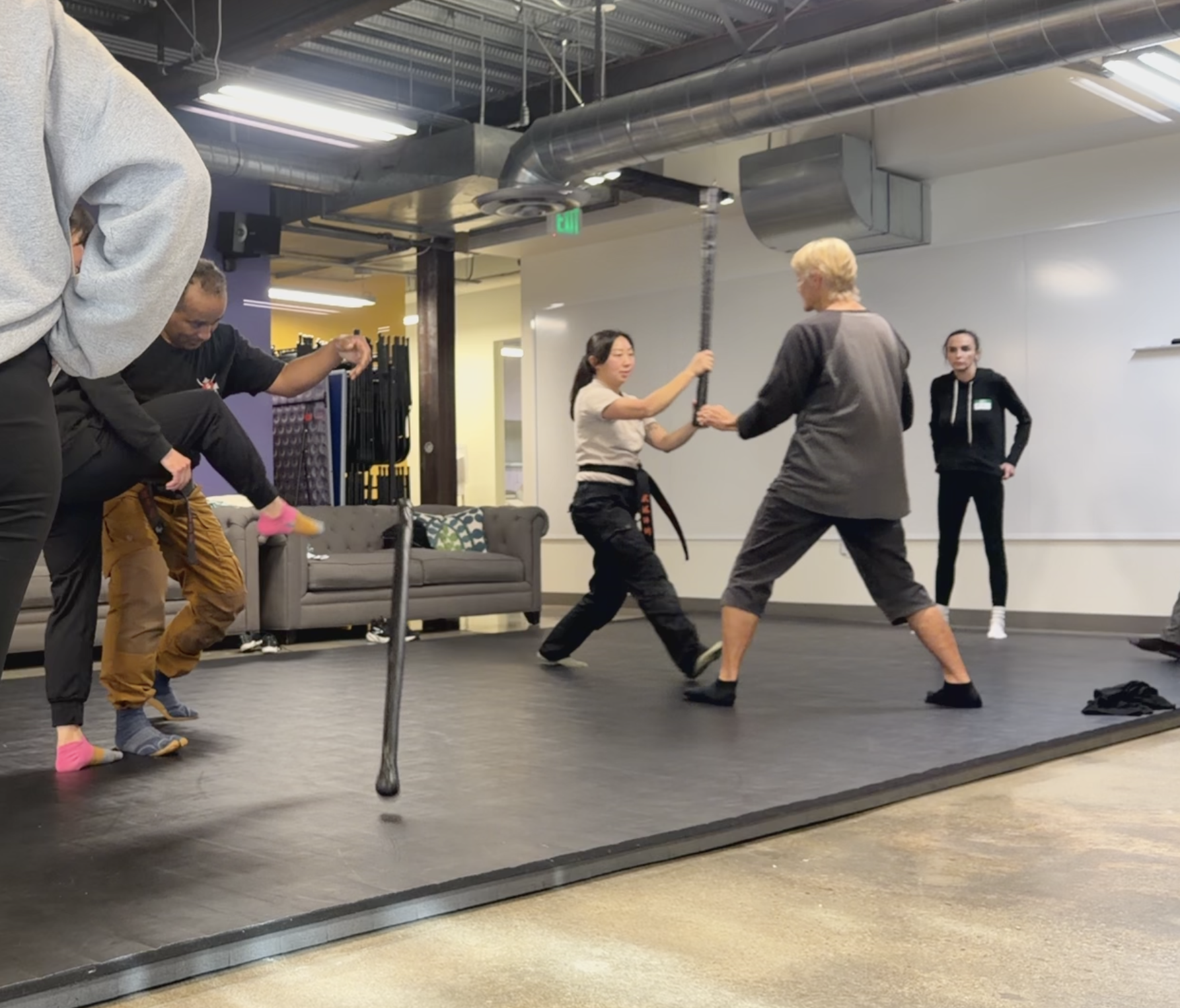
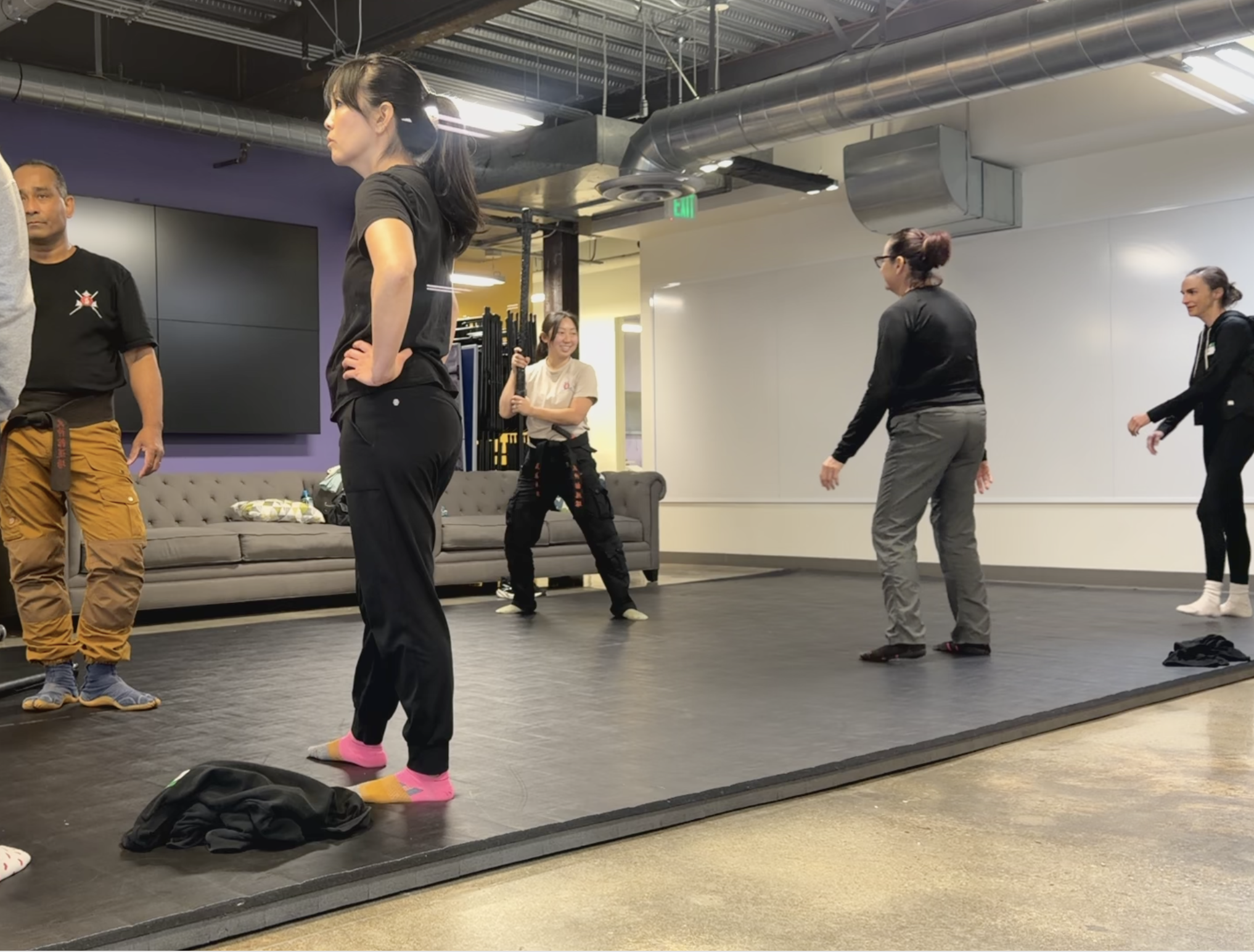
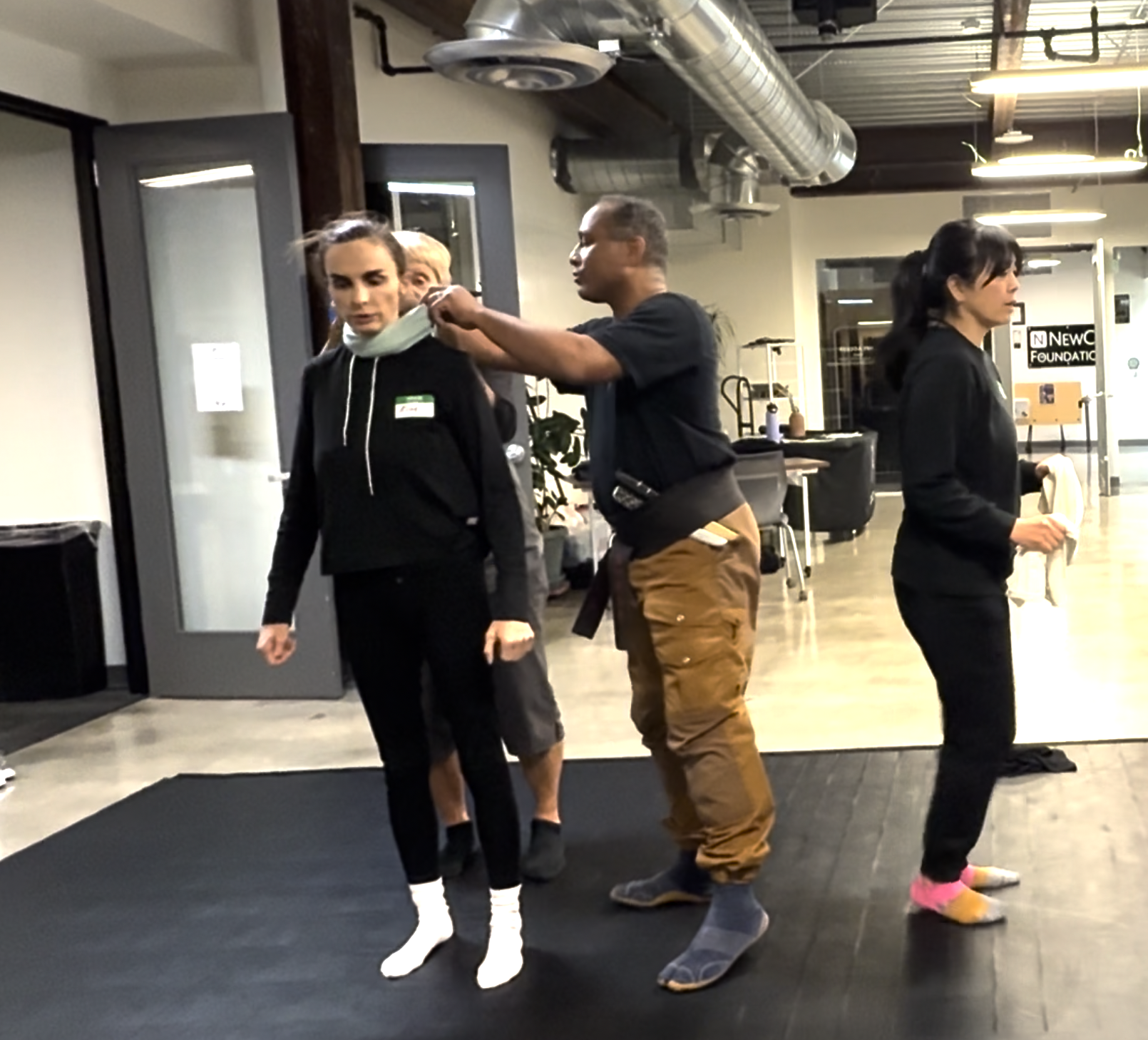
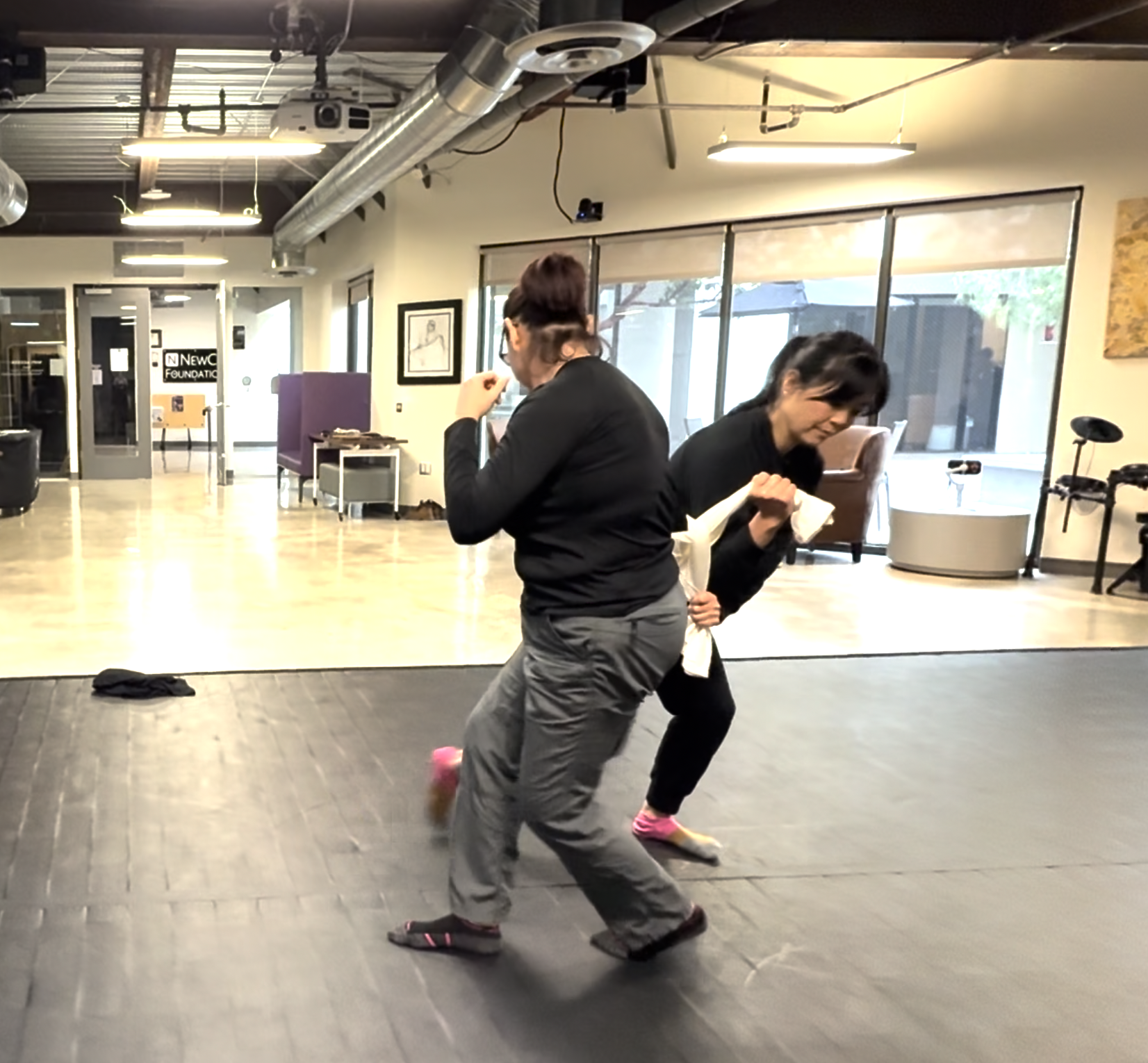
Photos from previous events
faq
-
For bottoms, we recommend military or hiking style pants.
For tops, a heavyweight t-shirt or long sleeve works best.
Please wear socks for mat work. Grip socks are also allowed.
That said, we want to keep the training realistic to your life, so any comfortable & durable clothing you have works fine.
-
A way to take notes (like a notebook & pen) and some water if you would like. Most of all, bring an open mind.
-
No. Everyone who wants to learn is welcome. You can be a complete beginner or a black belt in another art.
-
Women’s workshops are designed for adults and teens 16+. Students ages 12–15 may attend only with prior instructor approval and a parent or guardian actively participating with them.